
Charlotte Resident Lookup Record Paths
Use the strongest record that fits the question. A parcel, tax, or deed record can identify a legal relationship to land, while the voter system supplies election-registration context. Court files show that a party took part in a case, and a vital-record request may establish an event only when the requester qualifies. Business and credential records can connect a person to an entity or license. None of those sources alone proves that someone currently lives at an address. For a careful resident lookup, retain the source, date, jurisdiction, search spelling, and the limited fact the record actually supports.
| Record | What it can confirm | Charlotte source | Access boundary |
|---|---|---|---|
| Parcel, tax, and deed | Owner, mailing or situs field, legal description, and recorded transfer context | POLARIS, Tax Administration, and Register of Deeds indexes | Owner is not automatically an occupant. |
| Voter registration | Registration status, precinct, district, and public election-facing details | NC State Board of Elections Voter Lookup | Protected fields and addresses are withheld. |
| Court case | Party participation, filing type, public actions, and status when available | NC eCourts Portal and the Mecklenburg Clerk | Sealed and restricted material remains unavailable. |
| Vital event | Birth, death, marriage, or divorce facts when access rules permit | NC Vital Records, county Register of Deeds, or Clerk | Certified copies have relationship and authorization rules. |
| Business or credential | Entity role, assumed name, or professional credential | Secretary of State and NC BOLD | A role or business address is not a residence. |
When only a name is known, try the voter lookup with the county and an approximate birth year, then compare any lawful result with a parcel number, case number, NCID, entity ID, or license number. Those identifiers are much safer than name similarity. A goal centered on a street rather than one person belongs in the Charlotte street directory, where address-keyed records are the focus.
Match Names in Charlotte Resident Lookup
Same-name control is the core discipline of a Charlotte resident lookup. Compare the middle name or initial, suffix, approximate year, address or parcel, county, role, date, and at least one independent record. A tax owner can be a trust, estate, lender, manager, or remote owner. A court party may have no current link to the address in a search. A licensee or registered agent can use a professional address. Mark a result as direct, historical, or unverified instead of merging facts from similar names.
For a missing record, use a reason rather than a conclusion. The file may sit outside portal coverage, be pending digitization, have a spelling variation, be restricted, or reflect processing lag. North Carolina's public-records law requires access to existing records, not a new compilation. The City of Charlotte public-record request service accepts anonymous requests, but supplied request metadata can become public. Ask for an existing document, named fields, a custodian, and a date range.
The City request service provides the public-record request entry point.
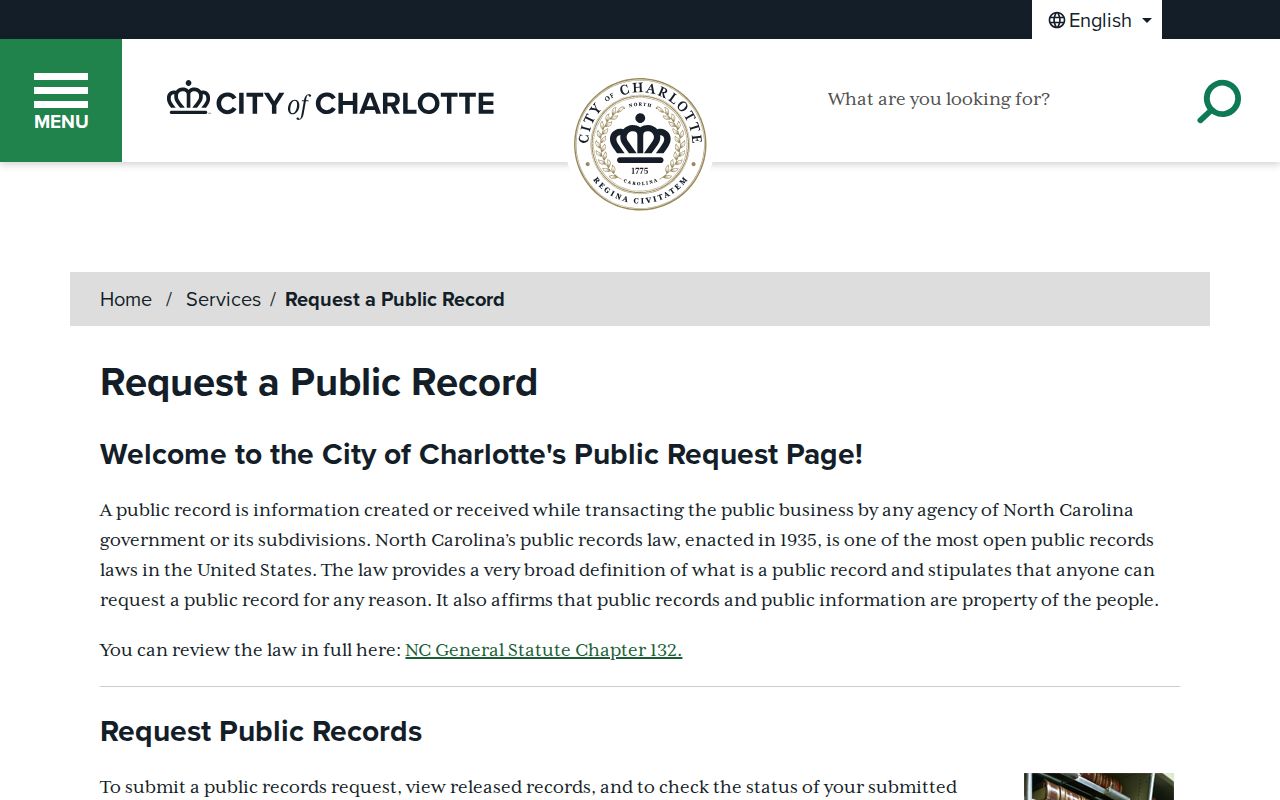
That route is useful when a known city record is not in an online index, but it does not turn a broad person search into a required new report.
Check Charlotte Resident Lookup Voter Context
The NCSBE form requires first and last name, with optional middle initial, birth year, and county. At least one status choice is used: Registered, Removed, or Denied. A result can display status, jurisdictions, polling place, sample ballot availability, absentee information, and voter history. Registration files refresh weekly on Sunday, and the published history window is ten years. Save the lookup date because districts, polling information, and status can change.
Public voter material is election context, not a title record or proof of continuous occupancy. Full date of birth, Social Security and driver-license information, military and overseas email, ballot choice, signatures, and protected addresses are not public fields. Do not infer turnout, political beliefs, or household membership from a limited result. The Mecklenburg Board of Elections provides local service through its office at 741 Kenilworth Avenue and can route voter questions that a public display does not answer.
Note: A removed or denied voter status needs the Board's current status and reason information, not a guess based on an old search result.
Verify a Charlotte Resident Lookup
Verification is a sequence of limited checks. Start with a known spelling and place, then add an identifier that belongs to the record system. Do not use a sensitive field to force a match. If a document is needed, request it from the custodian that holds it rather than relying on a copied summary. A historical address can be useful, but it should remain dated and labeled as historical.
- Record the full name variant, known Charlotte or Mecklenburg County connection, source date, and approximate period.
- Check a voter result or parcel record for context, separating a registration or owner role from actual occupancy.
- Search eCourts by party or case number and compare court, category, filing date, actions, and any public status.
- Use a vital, entity, license, archive, or deed record only to corroborate a specific fact, then seek a certified or official copy if eligibility applies.
- Docket
- A court's running case list, which may show filings, actions, and status without proving an outcome beyond the public record.
- Index and image
- An index is a searchable entry. An image is the document view, which can be incomplete, restricted, or available under separate copy rules.
- Certified copy
- A copy issued by the custodian with official certification. It is different from a public index hit and may require proof of eligibility.
Use Charlotte Court Lookup Details
NC eCourts is the statewide Odyssey-based public route for Mecklenburg cases. The statewide rollout completed on October 13, 2025. Search by county, case number, or party, then read the case category, type, title, actions, documents, and status that are publicly available. Documents from before October 9, 2023 may be absent from the portal. For an existing missing file, the Mecklenburg Clerk publishes separate email routes for criminal, civil, and estates or special proceedings requests. Include the court, category, date range, exact spelling, and file number when known.
A public eCourts result can carry a compact case inventory. Preserve the labels exactly as displayed, rather than adding a conclusion that the record does not state.
- Case number and court location
- Case category and case type
- Case title or public party names
- Actions, calendars, and public document links
- Public status or disposition when the record displays it
A scheduled date, a booking, or a charge is not a disposition. County custody, state offender, federal custody, registry, and court records answer different questions and use different time windows. The NCDAC offender search accepts a name or offender ID. A lawful identifier is stronger than a name-only match.
The NCDAC search is a state custody and supervision source, separate from a Mecklenburg court docket.
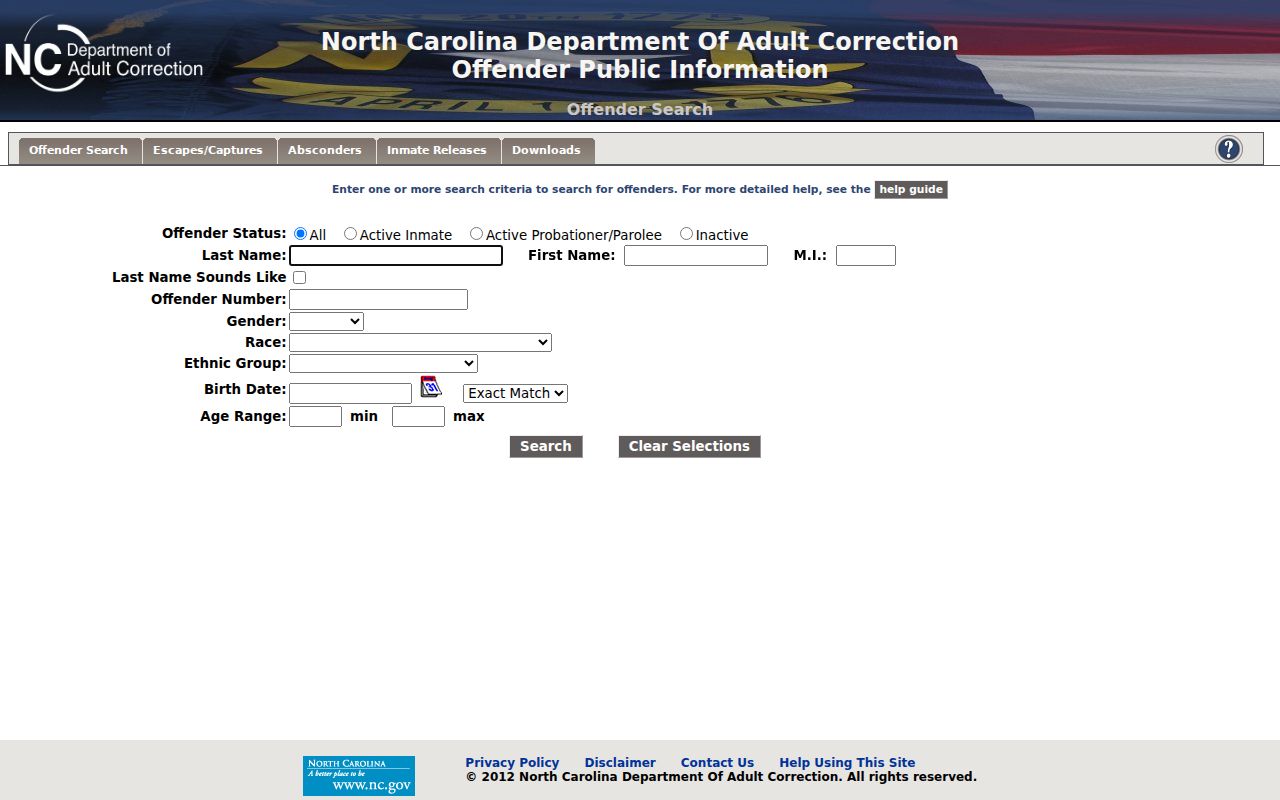
Use the record's own labels and date, and do not convert a result into a claim about a different system or a current home address.
The NC SBI registry offers name, city, ZIP, nearby-address, coordinate, and registry-number search modes for North Carolina registered records. It is not a complete criminal-history list. The agency warns that a positive identity determination requires fingerprints, so a similar name or address is not enough.
Use registry information only for a narrow, lawful safety-record question, never as a broad list or a substitute for identity confirmation.
Charlotte Resident Lookup Vital Access
NC Vital Records posts coverage for births from 1913, deaths from 1930, marriages from 1962, and divorces from 1958. Birth, death, and marriage records can route through the county Register of Deeds where the event occurred; divorce documentation is held by the Clerk where filed, while the state office provides covered certificates. North Carolina General Statutes 130A-93 and 130A-99 govern eligible certified-copy access. They do not create a simple generic closure period for every vital record.
The standard state search fee is $24 for one three-year period and is nonrefundable if no record is found. Eligibility generally turns on relationship, authorized representation, or a stated legal right. The NC Vital Records Service Portal uses a case workflow for birth, adoption, marriage, death, and divorce services.
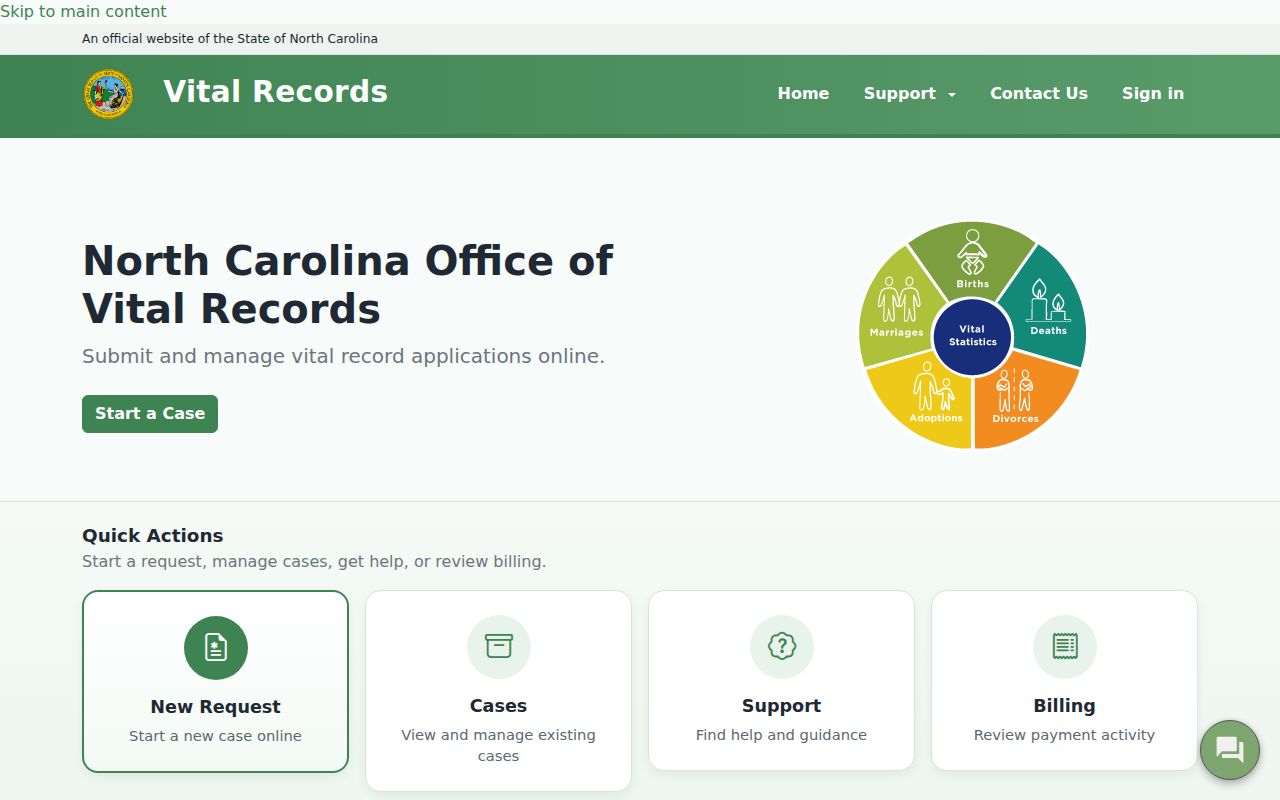
Use the state ordering instructions for current forms and timing, and treat an obituary or public index as a lead rather than an entitlement to a certificate.
An exact-name search of NC Cash unclaimed property can identify a potential owner claim. The Treasurer's claim process requires identity and eligibility proof, so a displayed name alone does not establish ownership or a current address.
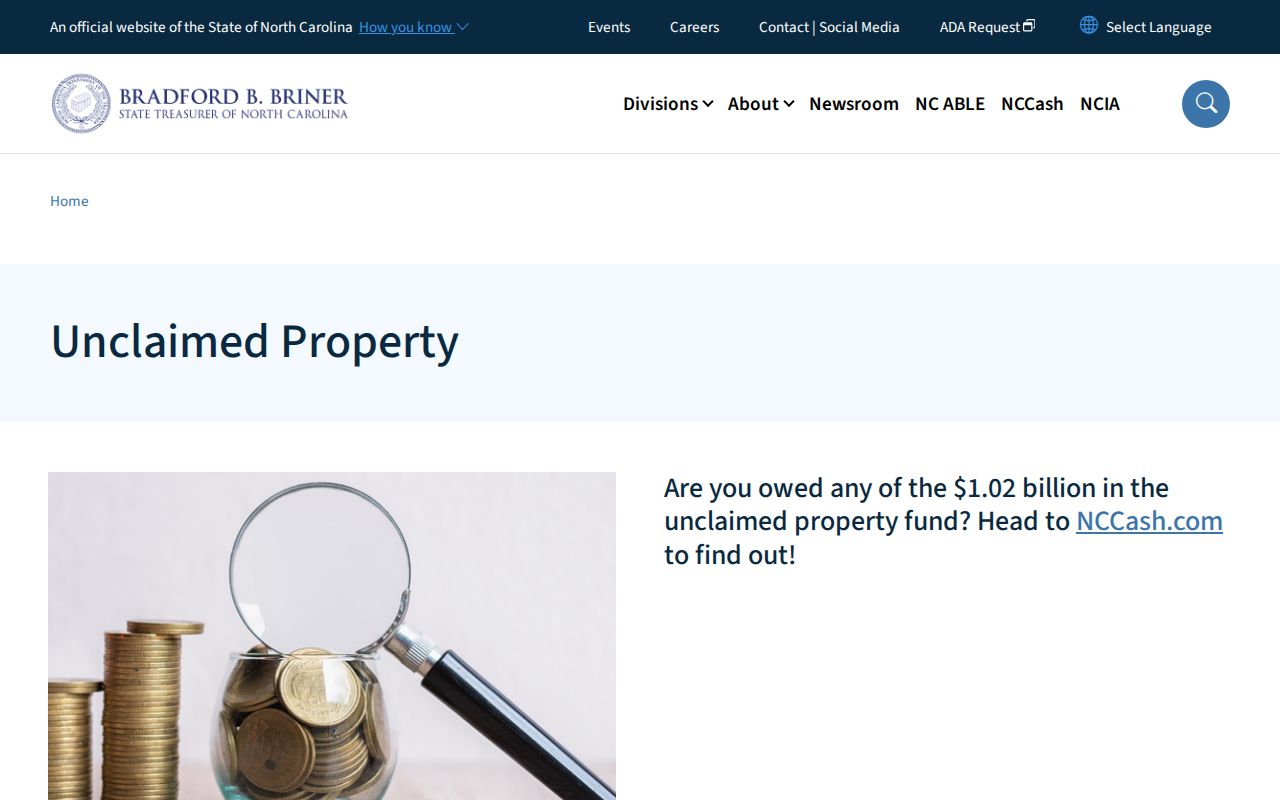
Keep a claim lead separate from a resident finding and use the state's claim procedure for any follow-up.
Read Charlotte Resident Lookup Roles
Business and credential sources help test a narrow affiliation, not a home address. The Secretary of State search supports entity and person-name modes, assumed-name searches, and variants in punctuation, spacing, former names, and legal suffixes. Match an entity ID or license number before treating a name as connected. Separate registered agent, officer, manager, licensee, applicant, principal office, and business address because those roles are not interchangeable.
NC BOLD directs users to the state agencies and boards that issue business, occupational, and permit credentials. The issuing board remains the authoritative place for current license status and its own public field set.
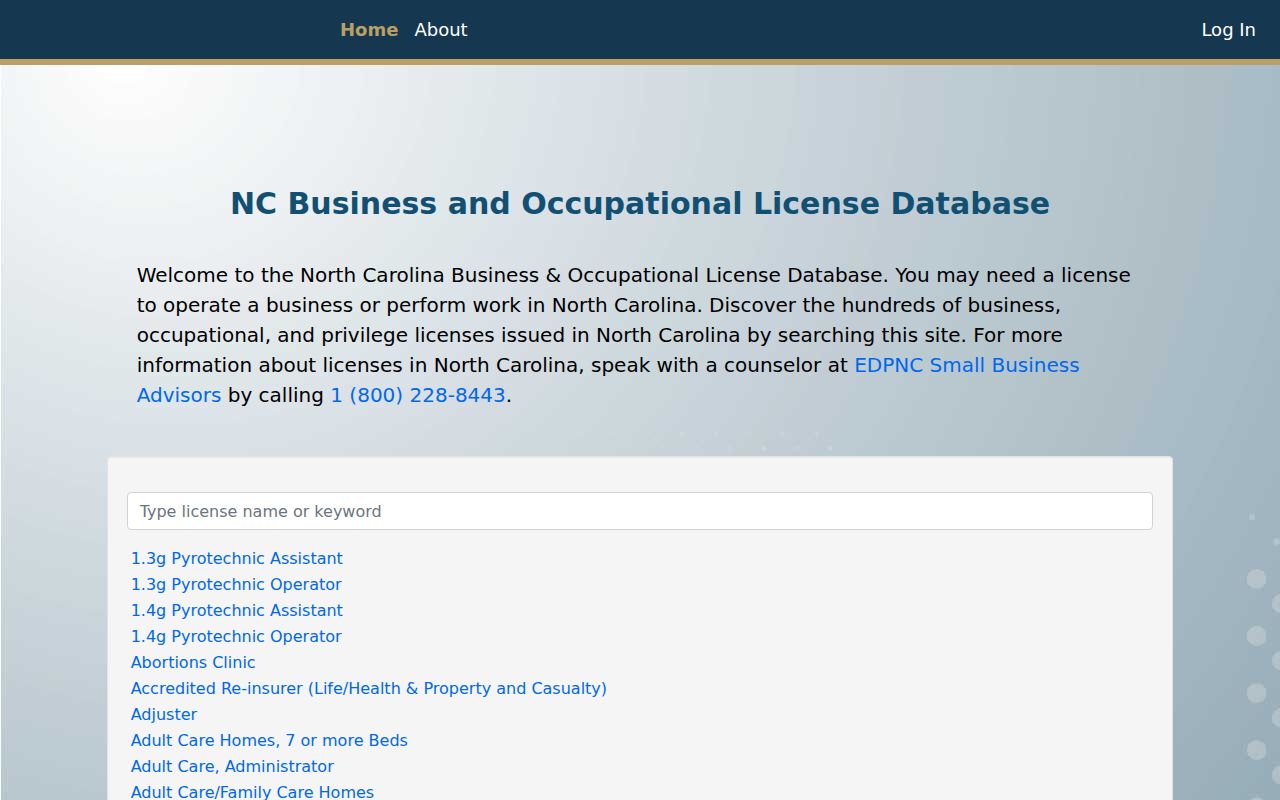
A filing or credential can corroborate a role at a stated time, but it does not establish where the person lives.
Charlotte Resident Lookup Privacy Limits
Chapter 132 permits inspection of existing public records while preserving redactions and confidential categories. North Carolina General Statute 132-1.10 provides a written redaction route for protected identifiers in Register of Deeds and court records. Chapter 15C and General Statute 132-1.1 protect actual addresses and phone numbers for Address Confidentiality Program participants. Court filings may also be sealed or redacted, and voter and vital systems restrict specific fields.
Do not publish full dates of birth, Social Security or driver-license numbers, signatures, protected voter addresses, ACP locations, juvenile data, victim details, medical details, or unnecessary custody identifiers. Limit a record to the fact needed, preserve the source date, and correct a disputed field with the custodian. Older addresses, directory entries, and a record absence all need context before they are repeated.
Lawful use. Use Charlotte resident lookup records for personal, lawful research and keep sensitive details out of circulation. Do not use any result to stalk, harass, intimidate, or harm another person.
Note: A record that does not appear online may be restricted, outside the database range, awaiting processing, or held by a different custodian.